Solo Designer & Developer - Product Design, Interaction Design, Visual Design, React Native Development
Stack
React Native, Expo, TypeScript, Figma
Timeline & Status
2026, MVP complete
Overview
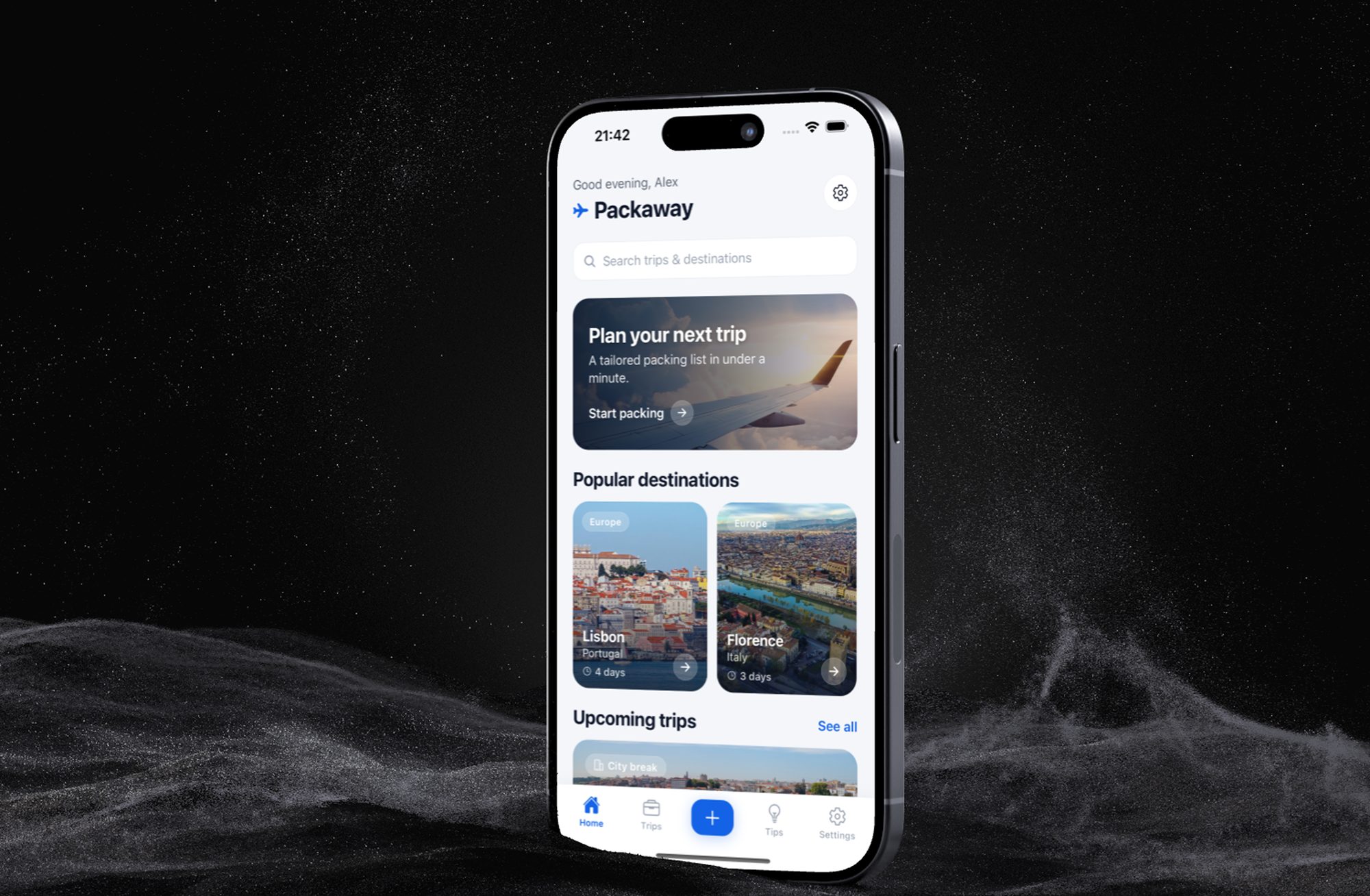
Packaway is a mobile travel app that helps users prepare for trips faster. It generates personalised packing lists from destination, dates, luggage type, airline, travel style, and weather - designed and built entirely by me, from the first Figma frame to a working app on iOS and Android.
HIGHLIGHTS
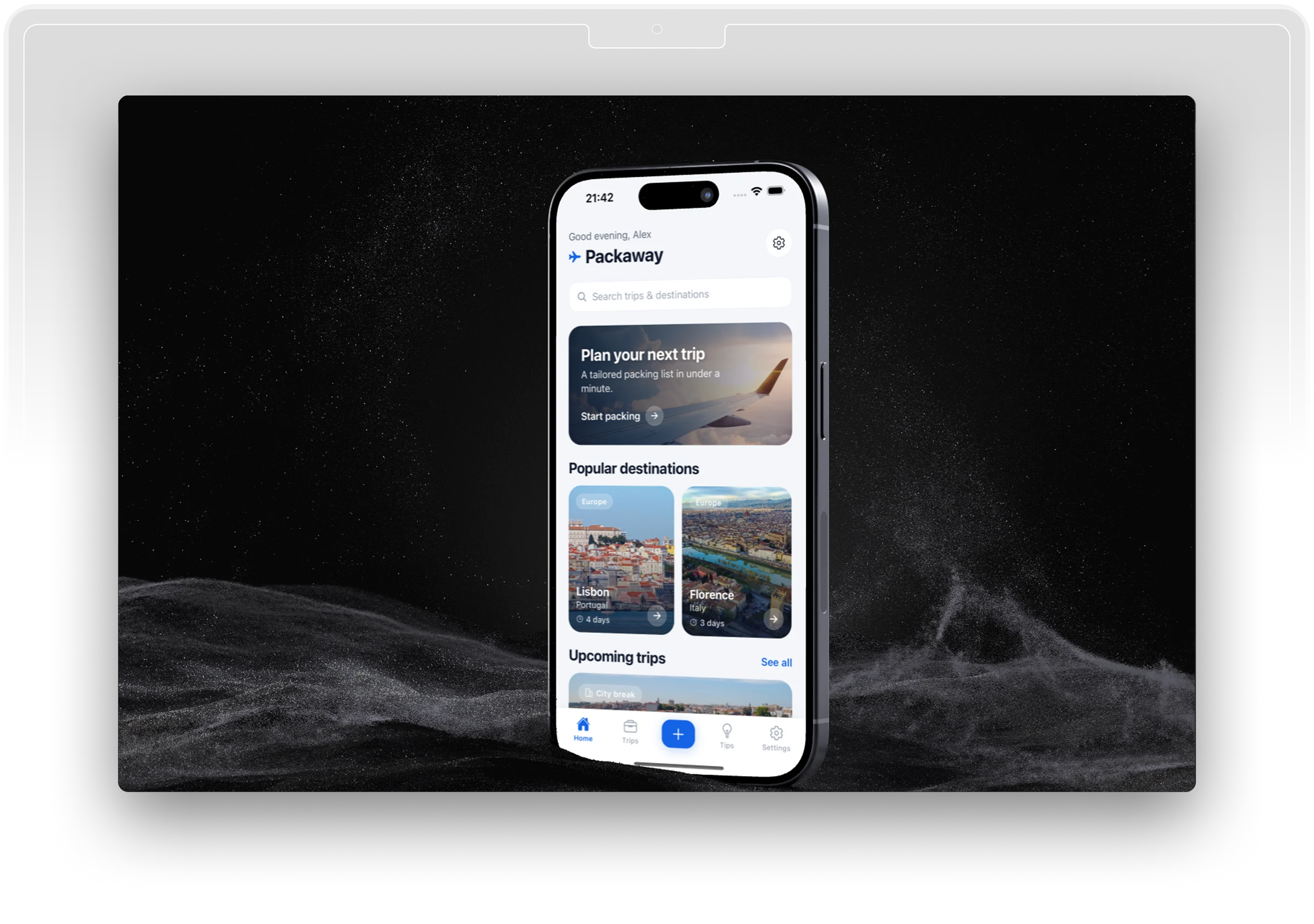
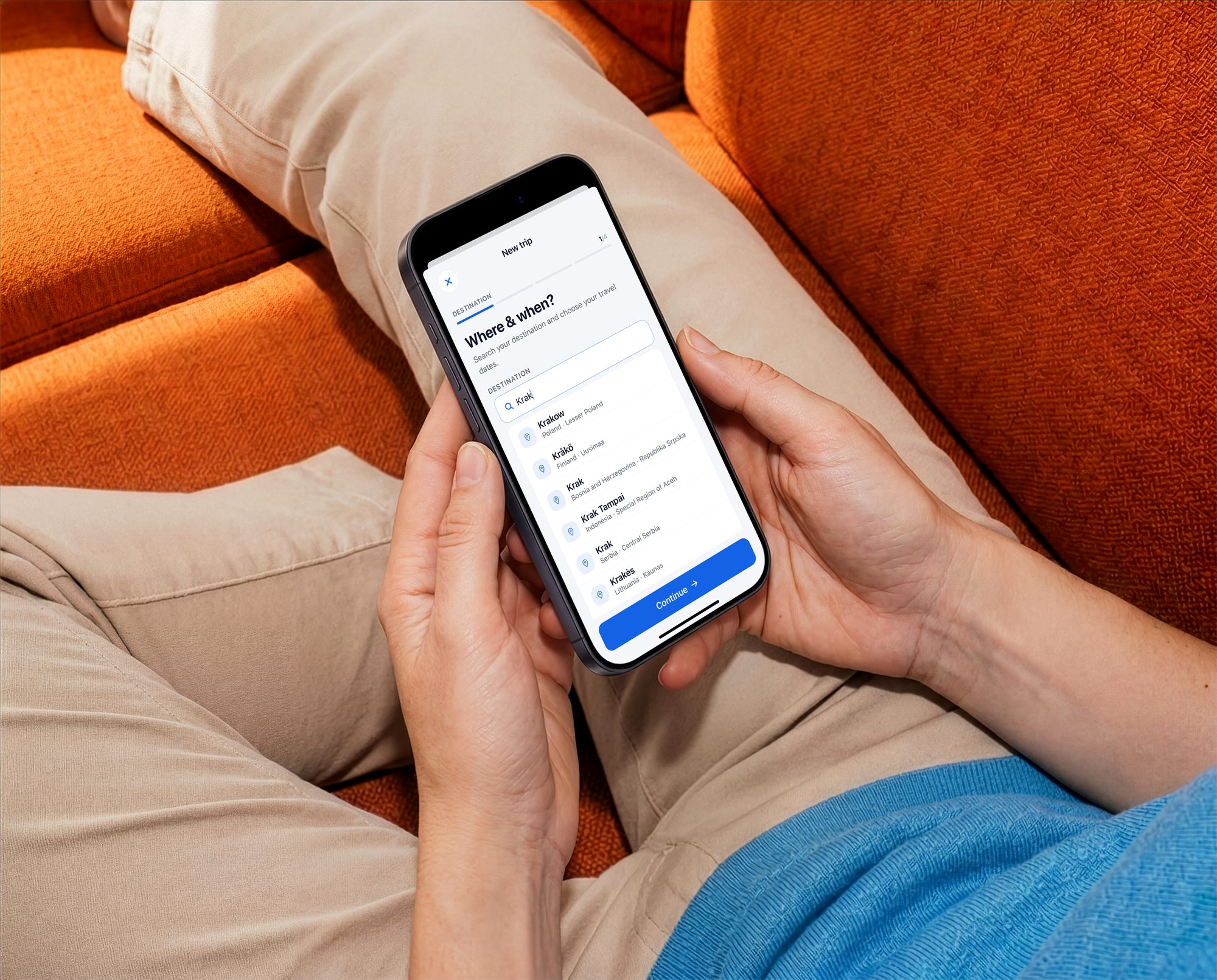
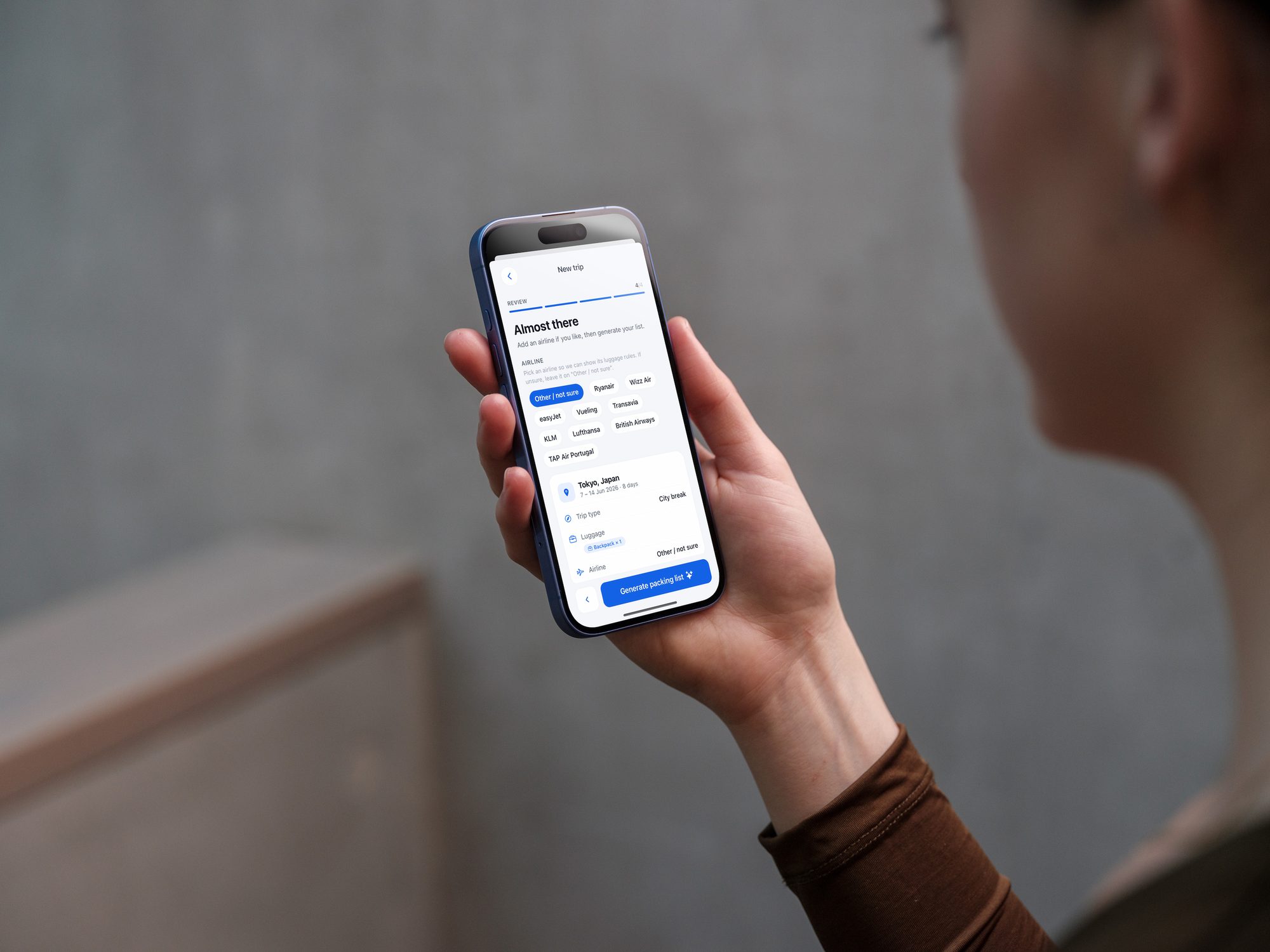
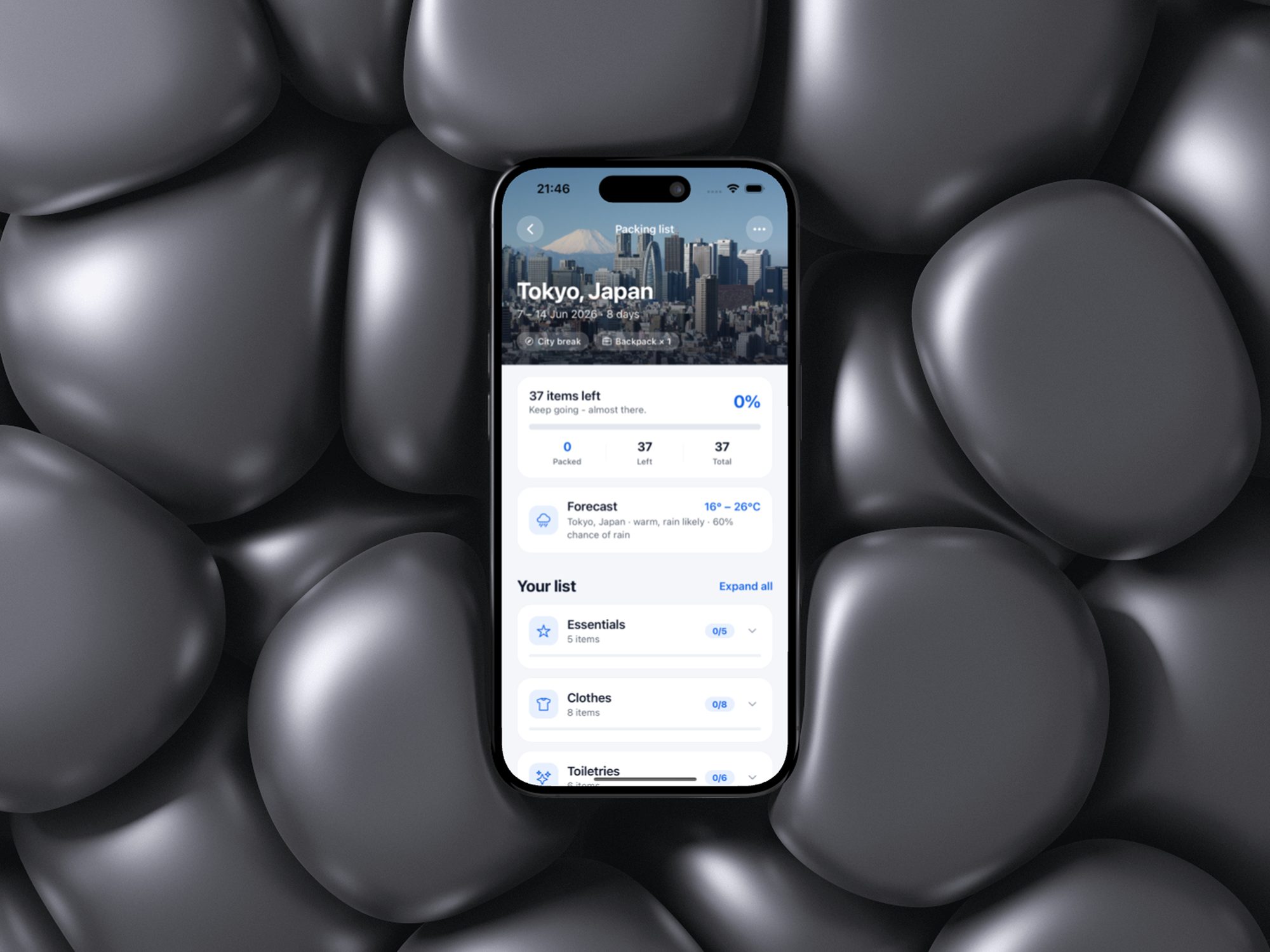
From trip details to a smart packing list in minutes - personalised for where you're going, how you're travelling, and what's in the forecast.
0.1Trip setup - destination and dates.
IMAGE
0.2Generating a tailored packing list.
IMAGE
0.3Smart list with a live destination forecast.
IMAGE
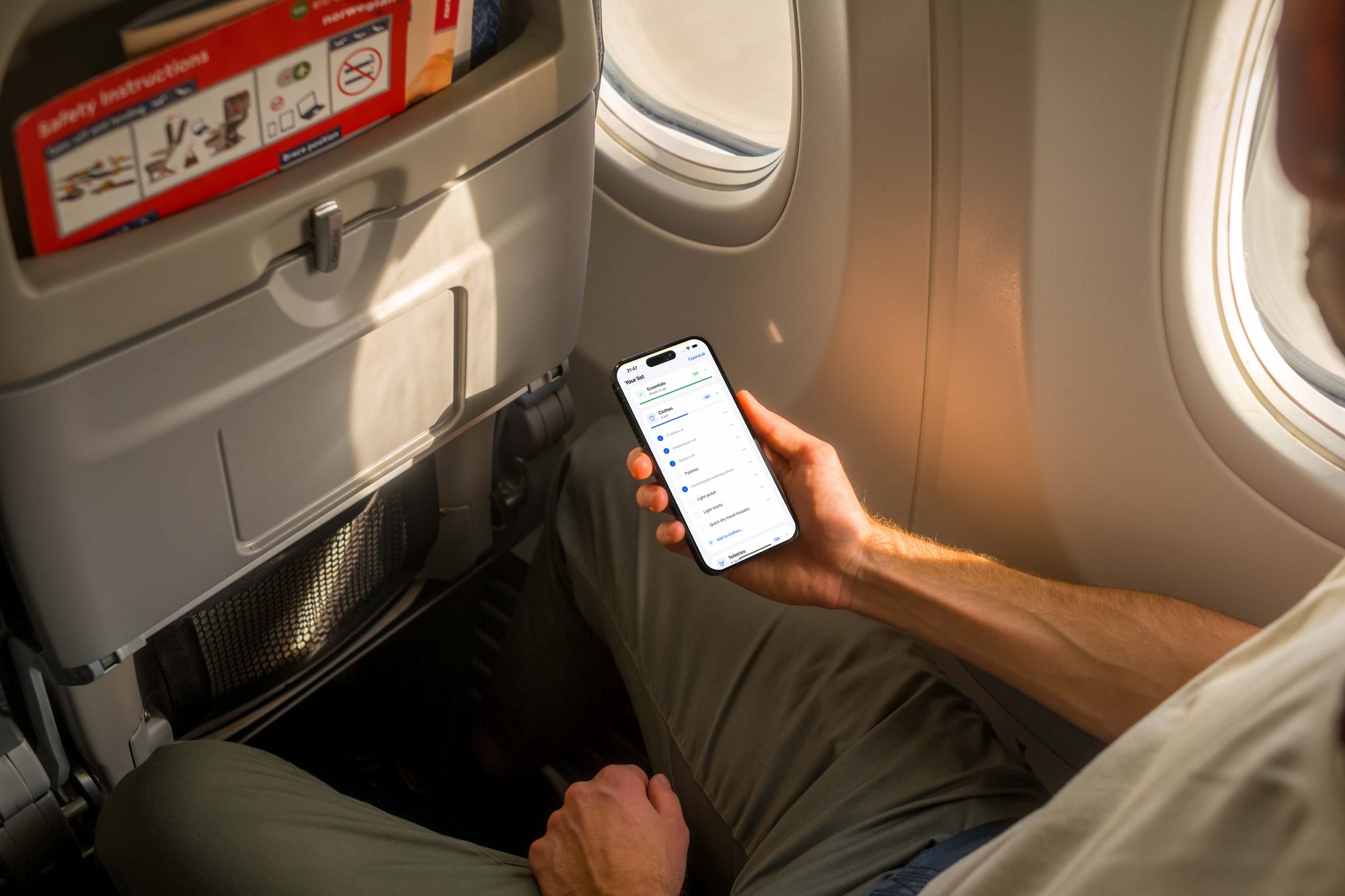
0.4Packaway in hand, mid-trip.
IMAGE
CONTEXT
Where Packaway started.
Packing is the worst part of travelling.
Everyone knows the feeling: the trip is booked, the excitement is real, and then comes the suitcase. Packaway started from a simple question - what if your packing list built itself from the details of your trip? (Figure 1.0).
1.0Early product direction.
IMAGE
Designed and built end-to-end.
There was no handoff and no translation loss between design and code. I owned the flows, the visual language, and the implementation - iterating in Figma and shipping directly in React Native. (Figure 1.1).
1.1First working screens.
IMAGE
PROBLEM SPACE
Generic lists don't travel well.
Most packing apps miss the point.
Static checklists ignore the variables that actually change what you need: weather at your destination, how long you're away, carry-on vs checked luggage, and whether you're on a beach holiday or a city break.
Emerging opportunities:
What if a packing list could adapt to real trip inputs? What if saving past trips made the next one even faster?
2.0The gap in existing packing tools.
IMAGE
THE FLOW
Smart lists from real travel details.
Trip in, list out.
Users enter destination, dates, luggage type, airline, travel style, and Packaway pulls weather data to generate a tailored list. Trips can be saved and revisited, with reminders so nothing gets left until the last minute. (Figure 3.0).
3.0Core list generation flow.
IMAGE
What it all leads to - design principles:
Personal, not generic
Every list should reflect the specific trip - destination, duration, weather, and travel style - not a one-size-fits-all template.
Fast and glanceable
Packing happens in a rush. The UI needs to surface what matters quickly, with minimal taps from setup to a finished list.
Built to ship
React Native and Expo let me go from concept to a device in someone's pocket - the fastest path to learning what actually works.
RETROSPECTIVE
What shipping taught me.
One codebase, both platforms.
Packaway runs natively on iOS and Android from a single React Native codebase. Building the MVP myself meant I could test ideas on real hardware the same day I sketched them.
I still learned a lot though!
Design and code in one loop
Owning both sides removed handoff friction. When something felt wrong in the app, I could fix the flow and the UI in the same session.
Constraints breed clarity
Weather APIs, baggage rules, and trip types forced a focused MVP. Scope stayed tight because every feature had to earn its place.
Ship to learn
Getting Packaway onto a real device revealed friction that Figma couldn't - especially around list editing and trip setup pacing.